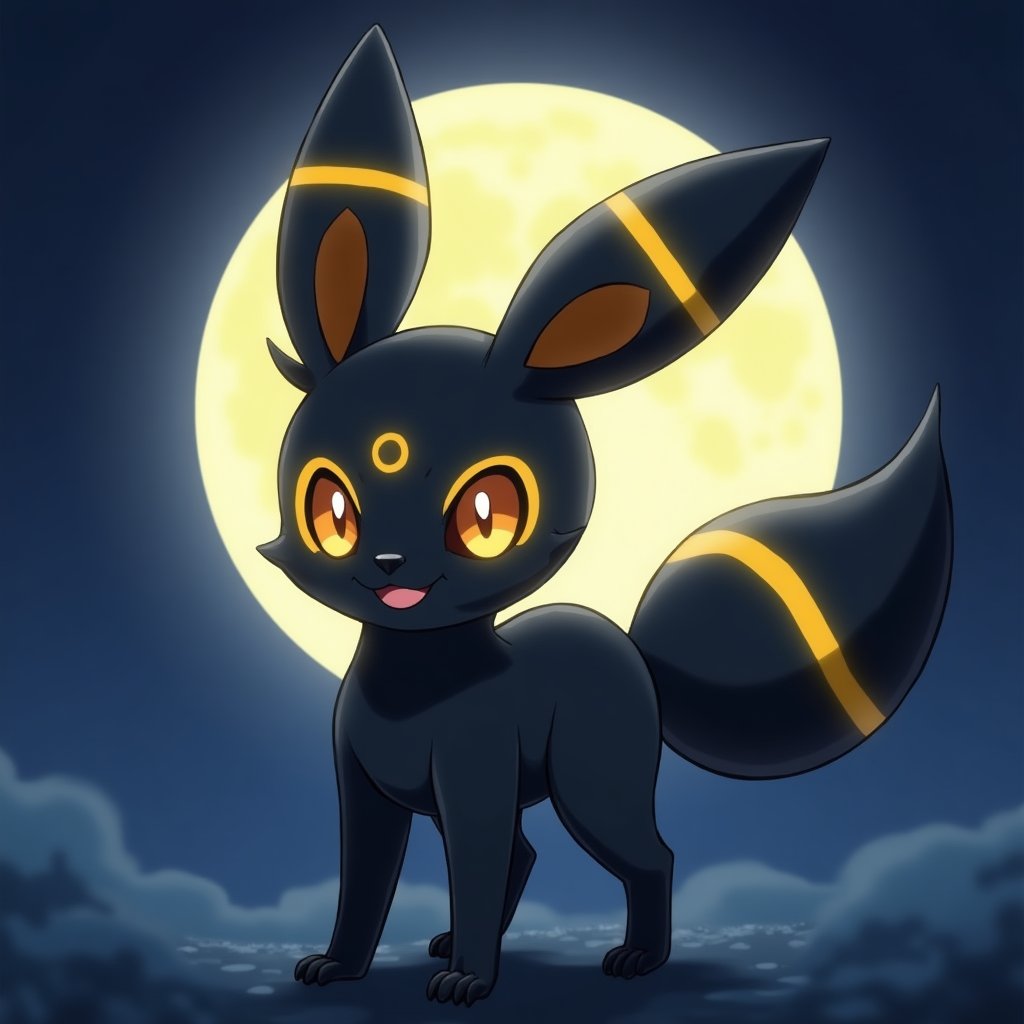
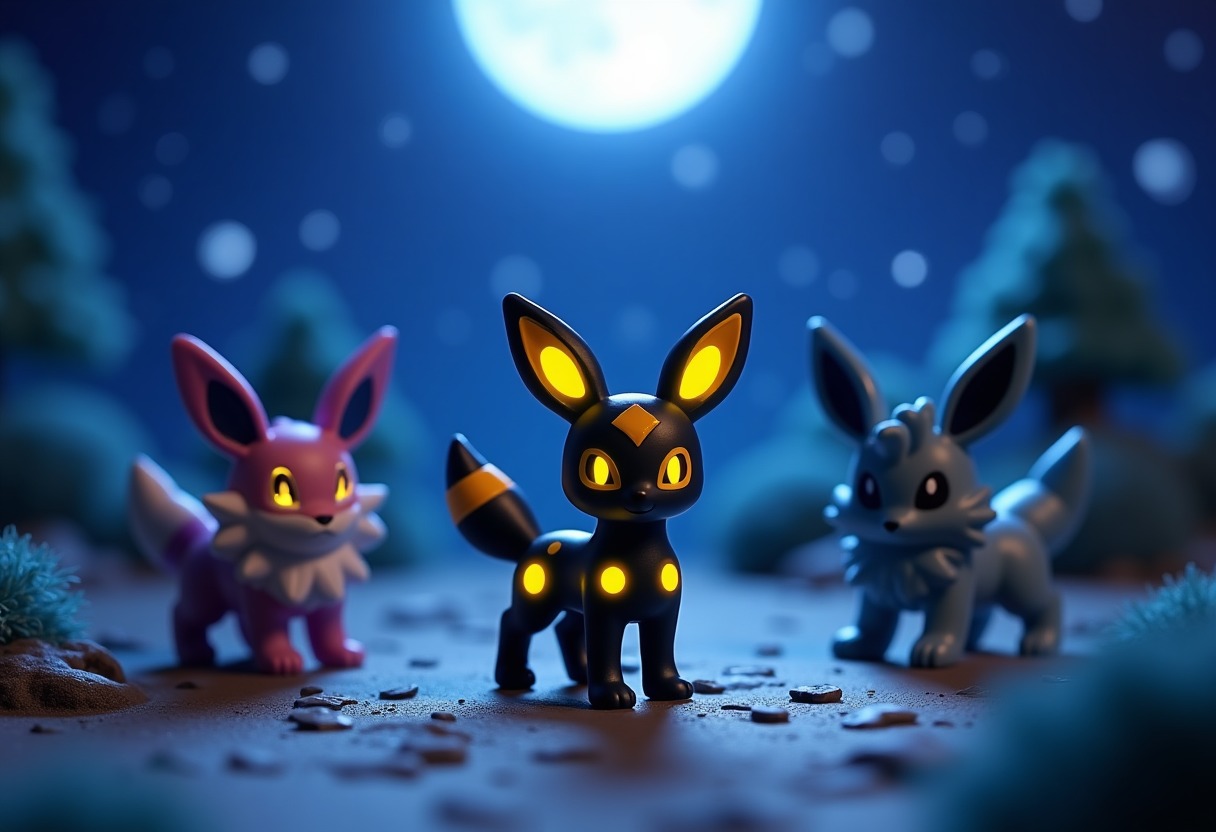
Umbreon's defensive prowess and support movepool make it an incredible team anchor, but the Moonlight Pokémon needs specific partners to cover its Fighting, Bug, and Fairy weaknesses while capitalizing on its Wish-passing and Foul Play potential. Pairing Umbreon with the wrong teammates turns a defensive wall into dead weight — the right picks transform it into the foundation of unbreakable cores.
Why Umbreon Excels as a Defensive Pivot
According to Bulbapedia's competitive analysis, Umbreon's base 95 HP and 130 Special Defense stats create one of the most reliable special walls in lower-tier competitive formats. Its access to Wish, Protect, Heal Bell, and Foul Play means it doesn't just tank hits — it actively sustains the team and punishes physical attackers without investment in Attack.
The catch: Umbreon's offensive presence is nearly nonexistent outside of Foul Play, and its Dark typing leaves it vulnerable to common threats like Conkeldurr, Heracross, and Tapu Fini. Smart team building compensates for these gaps by surrounding Umbreon with partners that handle Fighting-types, provide speed control, and threaten the Fairy-types that wall Dark-type coverage.
Understanding Umbreon's Dark-type move evolution across generations helps you appreciate why it needs teammates that can break through physical walls and apply offensive pressure — roles the Moonlight Pokémon simply cannot fill alone.
Core Defensive Partners for Umbreon
The best teammates for Umbreon share defensive synergies and handle its type weaknesses without overlapping roles. These picks appear consistently in successful VGC teams and competitive Showdown cores.
Toxapex — The Brutal Star Pokémon covers Umbreon's Fighting weakness while creating a regenerative core. Toxapex handles physical Fighting-types that threaten Umbreon, while Umbreon passes Wish to sustain Toxapex through Regenerator cycles. Both run Scald or Toxic to wear down opponents, creating a stall foundation that forces switches and chip damage. The Poison typing resists Fighting, and the Water typing covers Umbreon's vulnerability to Conkeldurr and Machamp.
Mandibuzz — A Defog user that resists Fighting and covers Umbreon's Bug weakness with Flying typing. Mandibuzz's Overcoat ability negates powder moves, and its access to Knock Off complements Umbreon's Foul Play by removing defensive items. The dual Dark typing creates redundancy, but Mandibuzz's Flying coverage and pivoting with U-turn provide offensive utility that Umbreon lacks.
Clefable — The Fairy-type that handles Fighting-types while providing Stealth Rock or Moonblast coverage. Magic Guard prevents chip damage, and Unaware versions check stat-boosting sweepers that exploit Umbreon's lack of offensive presence. Clefable's typing directly covers Umbreon's Fighting weakness, and its access to Wish creates double Wish-passing cores for extreme longevity.
Slowbro — Psychic/Water typing that resists Fighting and provides Teleport pivoting. Slowbro's physical Defense stat complements Umbreon's special bulk, and Regenerator sustains it through repeated switches. Scald burns physical attackers, reducing the pressure on Umbreon to survive Earthquake or Close Combat. The combination creates a mixed defensive wall that handles both physical and special threats.
For collectors building Eeveelution-themed teams beyond competitive play, our Best Eevee Evolution Gifts 2026 guide covers merchandise that celebrates these strategic partnerships.
Offensive Partners That Cover Umbreon's Weaknesses
Umbreon's passive playstyle demands teammates that threaten immediate KOs and prevent setup sweepers from taking advantage of its low damage output. These picks appear in balanced and offensive team archetypes.
| Partner | Coverage Provided | Key Role | Common Set | |-------------|----------------------|--------------|----------------| | Excadrill | Handles Fairy-types with Steel STAB | Rapid Spin support, speed control | Adamant Mold Breaker with Earthquake, Iron Head | | Tapu Koko | Resists Fairy, provides speed control | Electric Terrain setter, pivot | Timid Nature's Madness with Volt Switch | | Garchomp | Covers Fire, Steel, Electric threats | Stealth Rock setter, wallbreaker | Jolly Rough Skin with Earthquake, Outrage | | Azumarill | Handles Fighting-types with Fairy/Water STAB | Belly Drum sweeper, priority user | Adamant Huge Power with Aqua Jet, Play Rough |
Excadrill specifically complements Umbreon by removing Stealth Rock (which cuts into Umbreon's longevity) and threatening Fairy-types like Clefable and Tapu Fini that wall Umbreon completely. The Ground/Steel typing resists eight types and provides physical coverage that Umbreon cannot deliver.
Tapu Koko sets Electric Terrain to prevent sleep, protects Umbreon from Spore strategies, and provides a fast Volt Switch pivot that brings Umbreon in safely against special attackers. The Electric typing handles Water-types that otherwise take Foul Play with minimal damage.
Competitive players often reference → Shop Pokemon strategy guides on Amazon for detailed team-building frameworks that explain these synergies in tournament contexts.
Eeveelution Team Synergies
Building around multiple Eeveelutions creates thematic teams with surprising competitive viability. Umbreon anchors these cores as the defensive backbone.
Sylveon + Umbreon — The Fairy/Dark combination covers each other's weaknesses almost perfectly. Sylveon handles Fighting-types with Fairy STAB, while Umbreon resists Ghost and Dark attacks that threaten Sylveon. Both run Wish, creating a double Wish-passing core with absurd sustain. Pixilate Hyper Voice provides the offensive pressure Umbreon lacks, and Umbreon's Foul Play punishes physical attackers that Sylveon cannot handle defensively.
Vaporeon + Umbreon — Water Absorb or Hydration Vaporeon pairs with Umbreon to create a bulky Water/Dark core. Vaporeon handles Fire-types and provides Scald support, while Umbreon covers Grass and Electric weaknesses with its special bulk. Both run Wish and Protect, sustaining each other through chip damage. Vaporeon's access to Ice Beam covers Ground-types that threaten with Earthquake.
Espeon + Umbreon — The psychic twin from the same evolutionary line. Magic Bounce Espeon reflects hazards and status moves, protecting Umbreon from Toxic and Stealth Rock. Umbreon covers Espeon's Dark and Ghost weaknesses with STAB Foul Play. The combination creates a disruptive core that prevents setup while sustaining through Wish chains. Morning Sun and Moonlight on the respective Eeveelutions create thematic healing synergy.
Fans of the full Eeveelution lineup often enjoy exploring the Umbreon Vs Espeon dynamic in both competitive and lore contexts.
Advanced Team Building Strategies Most Guides Miss
Wish-Passing Timing — Umbreon's Wish heals based on its own HP stat (95 base), not the recipient's. This means a 252 HP Umbreon passes a 196 HP heal to fragile partners like Alakazam or Gengar, often restoring them to full health. Time Wish-passing with Protect on the turn you bring in the recipient, guaranteeing the heal lands without exposing them to damage. This technique turns Umbreon into a pseudo-cleric for offensive teammates that otherwise struggle with longevity.
Foul Play Damage Calculation — Foul Play uses the opponent's Attack stat to calculate damage, making it strongest against physical setup sweepers. Partner Umbreon with Intimidate users like Landorus-Therian or Salamence to lower opponent Attack stats, then pivot to Umbreon. The opponent either switches (losing setup progress) or attacks into Foul Play with reduced stats. This creates a defensive loop that punishes physical threats without requiring offensive investment from Umbreon.
Synchronize Exploitation — Umbreon's Synchronize ability passes burn and paralysis back to the opponent. Partner it with a status spreader like Rotom-Wash (Will-O-Wisp) or Thunder Wave users. When opponents attempt to status Umbreon, Synchronize reflects it, crippling their momentum. This works exceptionally well against Toxic users, as Umbreon with Heal Bell can cure itself while the opponent remains poisoned.
Speed Control Coverage — Umbreon's base 65 Speed means it's outsped by most meta threats. Pair it with Thunder Wave users like Clefable or Trick Room setters like Cresselia. Thunder Wave support lets Umbreon outspeed paralyzed threats, while Trick Room inverts speed tiers entirely. Under Trick Room, Umbreon's low Speed becomes an advantage, allowing it to move first and Wish-pass before taking damage.
Competitive players preparing for tournaments often use → Shop Pokemon battle calculator on Amazon to verify damage calculations and optimize EV spreads around these strategies.
Building Casual Playthrough Teams Around Umbreon
Umbreon shines in casual playthroughs when paired with teammates that handle Gym Leader and Elite Four typings. These picks work across mainline games from Johto to Paldea.
Heracross — Handles Dark, Steel, and Normal-type Gym Leaders with Fighting STAB. Guts ability turns Umbreon's potential Synchronize burns into offensive boosts for Heracross. The Bug/Fighting typing covers five of Umbreon's weaker matchups in story mode.
Magnezone — Steel/Electric typing that resists Fairy and provides super-effective coverage against Water and Flying specialists. Magnet Pull traps Steel-types that wall Umbreon's Dark-type moves, and Thunderbolt handles bulky Water-types that otherwise stall out Umbreon's Foul Play.
Garchomp — Ground/Dragon coverage that handles Electric, Fire, and Steel threats across multiple regions. Earthquake provides reliable damage that Umbreon cannot deliver, and Garchomp's Speed tier handles threats before they damage Umbreon. Both Pokémon learn Sandstorm, creating weather synergy in desert areas.
Players building Eeveelution-themed playthroughs often reference our Umbreon Evolution Items Methods Across All Pokemon Games to ensure they obtain Umbreon at optimal story progression points.
Product Recommendations for Team Builders
→ Shop Pokemon competitive battling books on Amazon provide tournament-tested team structures and EV spread calculators for players optimizing Umbreon cores. Titles covering VGC formats include damage calculation charts specific to Foul Play and Wish-passing mechanics.
→ Shop Pokemon TCG deck boxes on Amazon help organize competitive decks featuring Umbreon cards from Best Umbreon Cards To Buy alongside Eeveelution synergy picks like Sylveon VMAX or Espeon GX.
→ Shop Pokemon team building accessories on Amazon include damage calculators, type-chart references, and competitive format rulebooks that detail restricted Pokémon lists and team composition requirements for official tournaments.
Collectors showcasing their Umbreon teams often use display cases from our Umbreon Card Storage Display guide to present their competitive-themed collections.
FAQ
What is the best nature for competitive Umbreon? Calm nature with 252 HP / 4 Def / 252 SpD EVs maximizes special bulk and Wish healing. Bold nature works for physically defensive sets, but Umbreon's naturally high Special Defense makes Calm the standard choice in formats with special attackers like Tapu Koko and Ash-Greninja.
Does Umbreon need support moves to be viable? Absolutely — Wish, Protect, Heal Bell, and Toxic define Umbreon's competitive role. Without support moves, Umbreon becomes a passive wall with no offensive presence. Foul Play is the only attacking move most sets run, and it's useless against special attackers or low-Attack opponents.
Can Umbreon work on offensive teams? Only as a defensive pivot with Wish support for frail sweepers. Offensive teams typically avoid Umbreon because its lack of immediate damage output slows momentum. However, pairing Umbreon with Volt-Turn pivots like Rotom-Wash or Landorus-Therian creates aggressive cores that sustain through Wish-passing while maintaining offensive pressure.
What Hidden Power type should Umbreon run? Hidden Power Fighting covers Dark and Steel-types that resist Foul Play, but Umbreon's low Special Attack (base 60) makes Hidden Power impractical. Most competitive sets skip Hidden Power entirely in favor of utility moves like Heal Bell or Yawn, as Umbreon's role is defensive support, not coverage.
How does Umbreon compare to other Dark-type walls? Umbreon trades offensive presence for superior special bulk and Wish support. Sableye offers priority with Prankster, and Mandibuzz provides Defog, but neither heals teammates consistently. Umbreon's niche is sustaining offensive cores while checking special attackers — a role unique among Dark-types.
The Moonlight Foundation
Umbreon transforms from a passive wall into a team cornerstone when paired with partners that cover its Fighting, Bug, and Fairy weaknesses while benefiting from Wish support and Foul Play damage reflection.
Some links on this page are affiliate links. We may earn a small commission if you purchase through them, at no extra cost to you.
As an Amazon Associate we earn from qualifying purchases. This article contains affiliate links; if you buy through them we may earn a small commission at no additional cost to you.